Health & Wellness
Health and wellness extends far beyond the absence of illness. It encompasses a dynamic integration of physical vitality, mental clarity, emotional balance, and environmental harmony. For communities in Ireland and Canada, this holistic approach draws from both ancient wisdom and contemporary science, weaving together coastal living traditions, forest-based practices, and adaptive strategies shaped by northern climates and landscapes.
The modern understanding of wellness recognizes that our bodies and minds function as interconnected systems, responsive to movement patterns, nutritional choices, exposure to natural elements, and the quality of our mental and emotional resilience. This article explores the foundational pillars that support lasting vitality, from the biomechanics of traditional dance to the biochemistry of cold exposure, from harvest-aligned nutrition to the neuroscience of stress management. Whether you’re navigating the rugged coastlines of the Atlantic or the vast wilderness of the Canadian Shield, these principles offer practical pathways to optimize your health span and deepen your connection to wellbeing.
Physical Movement and Performance: Building Strength Through Tradition and Science
Physical activity forms the cornerstone of wellness, yet not all movement delivers equal benefits. The most sustainable forms of exercise combine functional strength, cardiovascular conditioning, and cultural connection.
The Cardiovascular Power of Traditional Dance
Traditional Irish step dance, preserved and practiced across both Ireland and Canadian Irish communities, offers a unique case study in high-impact performance movement. The rapid footwork and sustained aerobic demand can elevate heart rates to training zones comparable to interval running, while the precise technique requirements engage proprioceptive awareness and neuromuscular coordination. Think of it as interval training disguised as cultural expression—each session builds both cardiovascular capacity and deep postural muscles that stabilize the spine.
Core Stability and Biomechanical Efficiency
Whether you’re preparing for performance dance or simply seeking better posture during long work hours, core strength serves as your body’s central stabilizer. The biomechanics reveal a simple truth: spinal alignment depends on the coordinated engagement of deep abdominal, pelvic floor, and lower back muscles. Common technique errors in any physical practice—overarching the lower back, collapsing through the shoulders, relying on momentum rather than control—stem from inadequate core engagement. Building this foundation requires consistent, mindful practice of exercises that challenge stability before adding complexity or speed.
Mental Resilience and Emotional Wellness: Strengthening the Mind Against Modern Stressors
Mental health challenges have become increasingly prevalent, yet they remain shrouded in confusion. Understanding the distinction between everyday stress and clinical anxiety, between productive pressure and approaching burnout, empowers you to intervene early and effectively.
Differentiating Stress, Anxiety, and Burnout
Stress represents your body’s natural response to demands and challenges—it’s temporary and often motivating. Anxiety, particularly high-functioning anxiety, persists even when external stressors resolve, creating physical symptoms like muscle tension, digestive disruption, and sleep disturbance. Burnout develops when chronic stress depletes your mental and physical reserves without adequate recovery. Think of stress as sprinting, anxiety as running on a treadmill with no off switch, and burnout as hitting the wall after too many marathons without rest.
Building Emotional Vocabulary and Cognitive Flexibility
Strengthening mental resilience begins with expanding your emotional vocabulary—the ability to name and distinguish between frustrated, overwhelmed, disappointed, and anxious. This precision allows targeted intervention. Reframing negative thoughts doesn’t mean forced positivity; it means examining the evidence for catastrophic thinking and identifying cognitive distortions. Canadian and Irish healthcare systems increasingly emphasize therapeutic approaches that build these skills, offering options to compare medication versus therapy based on individual circumstances and symptom severity.
Reclaiming Attention in a Digitally Saturated World
Screen dependency fragments attention span and disrupts the deep focus necessary for both productivity and genuine rest. Reclaiming cognitive control requires deliberate boundaries: designated screen-free hours, single-tasking practices, and environments that support sustained attention. Research from Irish and Canadian universities suggests that even modest reductions in recreational screen time correlate with improved mood regulation and sleep quality.
Nutrition for Vitality: Eating According to Place and Season
Nutrition extends beyond macronutrient ratios and calorie counts. The most nourishing dietary patterns align with local food systems, seasonal availability, and traditional preparation methods that enhance nutrient bioavailability.
The Northern Harvest Cycle and Seasonal Eating
Both Ireland and Canada experience pronounced seasonal shifts that historically shaped dietary patterns. Eating according to the northern harvest cycle means emphasizing root vegetables and preserved foods in winter, fresh greens in spring, berries in summer, and omega-rich fish year-round from sustainable coastal and freshwater sources. This approach naturally diversifies your nutrient intake across the year while supporting local food economies and reducing environmental impact.
Traditional Food Preparation and Nutrient Optimization
The chemistry of stewing and slow-cooking breaks down tough fibers and releases minerals from bones and vegetables, creating nutrient-dense, easily digestible meals—particularly valuable during colder months when your body requires more energy for thermoregulation. Baking traditional bread at home, particularly sourdough varieties common in both Irish and Canadian artisan communities, initiates fermentation processes that reduce phytic acid and increase mineral absorption. Understanding these chemical reactions transforms cooking from routine task to therapeutic practice.
Managing Dietary Triggers and Restrictions
Individual responses to foods vary significantly. Reviewing dietary triggers—whether for digestive symptoms, inflammation, or mood disturbances—requires systematic observation rather than restrictive elimination. Common considerations include gluten sensitivity, dairy intolerance, and refined sugar consumption. Reducing sugar cravings, for instance, often requires addressing underlying factors: inadequate protein intake, poor sleep quality, or using sweets as emotional regulation rather than nutrition.
Nature-Based Wellness Practices: Therapeutic Landscapes of the North Atlantic
The rugged coastlines of Ireland and the vast wilderness of Canada offer more than scenic beauty—they provide therapeutic environments that reduce stress, enhance immunity, and restore mental clarity.
Forest Bathing in a Northern Context
Shinrin-yoku, the Japanese practice of forest bathing, adapts beautifully to northern temperate and boreal forests. The practice requires no special equipment or fitness level—simply mindful presence among trees, engaging all senses: the scent of pine resin, the texture of moss, the sound of wind through canopy. In the northern context, scheduling for limited daylight hours during winter months becomes essential, as does adapting the pace to potentially challenging terrain and weather conditions.
Coastal Living and Stress Reduction
Research increasingly documents the correlation between coastal proximity and reduced stress markers. The mechanisms involve multiple factors: negative ions in sea air, the meditative quality of wave patterns, opportunities for cold water immersion, and simply the psychological restoration that expansive horizons provide. Irish coastal communities and Canadian maritime regions offer natural access to these benefits, though intentional engagement—regular walks, deliberate observation, sensory attention—amplifies the effect.
Building Toughness Through Wilderness Challenges
Preparing for outdoor adventures—whether high-altitude challenges in northern mountain ranges or multi-day wilderness treks—builds both mental and physical toughness. Key considerations include:
- Acclimatization to elevation: gradual ascent protocols that allow physiological adaptation to reduced oxygen
- Pack weight selection: balancing essential safety equipment with biomechanical efficiency
- Terrain assessment: matching route difficulty to current fitness and technical skill levels
- Weather preparedness: understanding rapid weather changes common in Atlantic and northern Canadian climates
- Wildlife awareness: appropriate food storage and encounter protocols for regional species
These preparations transfer to daily resilience—problem-solving under pressure, maintaining composure during uncertainty, and trusting your capacity to handle difficulty.
Recovery and Sleep Optimization: Syncing With Natural Rhythms
Recovery represents when adaptation actually occurs—when muscles rebuild stronger, when neural pathways consolidate learning, when immune function regenerates. Yet modern lifestyles systematically undermine recovery through circadian disruption and inadequate rest protocols.
Light Exposure and Circadian Alignment
Your body’s internal clock responds primarily to light exposure timing. Optimizing sleep and energy requires strategic light management: bright light exposure within the first hour after waking (particularly challenging during Irish and Canadian winters), minimizing blue light in the evening hours, and maintaining consistent sleep-wake schedules even on weekends. This synchronization with natural light-dark cycles improves sleep quality, mood stability, and metabolic health.
Recovery Protocols for Physical Demands
Whether recovering after performance dance or managing the physiological impact of high-intensity training, systematic recovery protocols accelerate adaptation and prevent injury. These include adequate protein intake for tissue repair, strategic rest days that allow neural recovery, and potentially supplementing safely with nutrients commonly deficient in northern climates—particularly vitamin D during winter months.
Cold Exposure and Adaptive Stress: Controlled Challenges for Resilience
Deliberate cold exposure—from winter sea swimming along Irish and Canadian coasts to contrast therapy protocols—triggers powerful physiological responses when applied correctly.
The immediate cold shock response activates your sympathetic nervous system, increasing alertness and potentially boosting immune function. Regular, progressive cold exposure appears to improve cold tolerance, enhance mood through endorphin release, and strengthen cardiovascular resilience. However, timing the duration and managing the after-drop—the continued temperature decrease after exiting cold water—requires understanding and caution. Safe practice involves gradual progression, never swimming alone, understanding self-rescue techniques, and respecting individual limits.
Think of cold exposure as a controlled stressor that trains your nervous system to regulate arousal more effectively, building capacity that transfers to managing psychological stress and adversity.
Proactive Health Management: From Reactive Care to Health Span Optimization
Traditional healthcare models focus on treating disease after it emerges. Proactive health span management shifts emphasis toward maintaining function, preventing decline, and optimizing vitality throughout your lifespan.
This approach involves screening beyond the basics—not just checking for existing disease, but monitoring biomarkers that predict future risk: inflammatory markers, metabolic health indicators, cardiovascular function measures. Both Irish and Canadian healthcare systems increasingly support preventive screening, though proactive patients often supplement standard care with additional monitoring.
Investing in mobility—maintaining joint range of motion, muscular balance, and movement competency—pays compounding returns as you age. Mobility work prevents the gradual restrictions that limit independence and increase injury risk, while supporting the continued engagement in activities that provide meaning and connection.
Health and wellness ultimately represents an ongoing practice rather than a destination. The integration of physical movement, mental resilience, nutritional wisdom, nature connection, adequate recovery, adaptive challenges, and proactive care creates a comprehensive foundation. Your specific path will emphasize different elements at different life stages, but the underlying principle remains constant: investing in your wellbeing compounds over time, creating reserves of vitality that support both performance and enjoyment of life in the distinctive landscapes and communities of Ireland and Canada.

How to Recognize “High-Functioning Anxiety” in High-Achieving Professionals?
High-functioning anxiety is not a personality flaw; it’s a miscalibrated internal threat-detection system that can be strategically managed rather than suppressed. Physiological triggers, like caffeine intake and shallow breathing patterns, often have a greater and more immediate impact on anxiety…
Read more
How to Do a “Dopamine Fast” Weekend: A Neuroscientist’s Method to Reset Your Focus
Contrary to popular belief, a “dopamine fast” isn’t about total deprivation but about strategically recalibrating your brain’s reward system to restore focus. It works by reintroducing ‘intentional friction’ to break reflexive digital habits. Success depends on replacing low-quality digital stimuli…
Read more
How to Start Cold Water Dipping in the Atlantic Without Risking Your Life
Contrary to what you see on social media, safe cold water dipping isn’t about mental toughness or enduring misery; it’s about mastering your body’s involuntary physiological responses. The most critical dangers, like the “gasp reflex” and “after-drop,” are predictable and…
Read more
Stoicism or CBT: Which Approach Is More Effective for Managing Workplace Stress?
The most effective strategy isn’t choosing between Stoicism and CBT, but recognizing that CBT provides the modern, evidence-based tools to implement Stoicism’s resilient philosophy in the workplace. Stoicism offers the foundational “why”: a robust mindset for accepting what you can’t…
Read more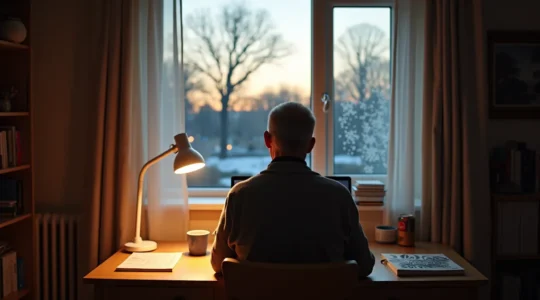
How to Use Light Therapy Lamps Correctly to Beat the “3 PM Slump”
Beating afternoon fatigue isn’t about using your light lamp more; it’s about using it smarter in the morning and, crucially, managing your light exposure at night. Your morning light session is a non-negotiable “circadian anchor” that sets your body’s 24-hour…
Read more
How to Forge Resilience Through Rucking: A Tactical Guide to Bad Weather Training
Rucking is not just walking with a heavy pack; it’s a tactical dialogue with your environment that forges elite resilience. Your ruck weight should be determined by terrain (soft Irish peat vs. hard Canadian granite), not just a generic bodyweight…
Read more
Root Vegetables vs. Imported Greens: Which Is More Nutritious in January?
The belief that winter means sacrificing nutrition is a modern myth; the truth is that ancestral Northern foods offer superior, concentrated nourishment. Seasonal, local foods like wild game and oily fish provide higher levels of essential nutrients like Omega-3s and…
Read more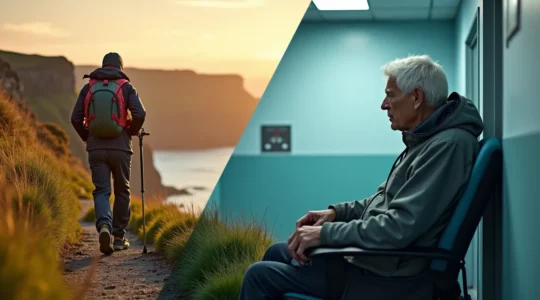
Beyond Lifespan: A Doctor’s Guide to Calculating and Maximizing Your Health Span
The ultimate goal isn’t just to live longer, but to live better for longer; your Health Span is a set of quantifiable metrics you can actively manage today. Proactive health management relies on specific data (blood markers, HRV) and targeted…
Read more
How to Practice Shinrin-yoku in Winter Conditions Without Getting Frostbite?
The extreme cold of a Canadian or Irish winter isn’t an obstacle to Shinrin-yoku; it’s an opportunity for a more potent form of practice, provided you master the unique physics and physiology of a frozen landscape. Effective layering isn’t about…
Read more
How to Train for a Winter Ascent in the Chic-Chocs Mountains?
The real challenge of a Chic-Chocs winter ascent isn’t the climb; it’s winning the invisible physiological war against extreme cold and altitude before you even leave home. Your body burns calories at an astonishing rate to stay warm, requiring a…
Read more