Travel & Discovery
The bond between Ireland and Canada runs deeper than mere geography—it’s woven through centuries of shared history, migration stories, and cultural exchange. For travelers seeking meaningful experiences rather than superficial tourism, exploring the connections between these two nations offers a uniquely rich journey. From tracing ancestral footsteps along forgotten emigration routes to discovering how Irish traditions evolved in Canadian soil, this form of travel transforms sightseers into storytellers.
Whether you’re drawn to the haunting beauty of famine-era architecture in Ireland, the thrill of extreme water sports on Canadian ice, or the warmth of authentic food festivals in both countries, understanding the foundations of travel and discovery helps you move beyond guidebook recommendations. This comprehensive resource explores the pillars of purposeful travel—from heritage tourism and cultural immersion to sustainable adventure planning and practical logistics—equipping you with the knowledge to craft journeys that resonate long after you return home.
Why Heritage Tourism Connects Ireland and Canada
Heritage tourism represents more than visiting old buildings—it’s an emotional archaeology that unearths personal and collective identities. The Ireland-Canada corridor holds particular significance, as millions of Irish emigrants departed through specific ports during the 19th century, with many landing at quarantine stations that still stand today. These sites serve as powerful anchors for understanding the human cost of displacement and the resilience of diaspora communities.
Tracing Ancestral Routes and Migration Stories
Planning a pilgrimage to ancestral departure points requires blending genealogical research with geographic understanding. In Ireland, ports like Cobh (formerly Queenstown) witnessed countless farewells, while in Canada, Grosse Île near Quebec served as the primary quarantine station where thousands of Irish famine refugees either recovered or perished. Modern descendants often describe visiting these locations as profoundly moving, creating tangible connections to stories previously known only through family lore.
Successful ancestral journeys typically involve several preparatory steps:
- Researching family records to identify specific departure and arrival locations
- Contacting local historical societies for access to archives and lesser-known sites
- Timing visits to coincide with commemorative events that provide historical context
- Building flexibility into itineraries, as emotional responses to these places can be unexpectedly intense
Historical Architecture That Tells Shared Stories
Identifying remnants of famine-era architecture transforms landscapes into open-air museums. In Ireland’s western counties, abandoned cottages with their distinctive stone walls and collapsed roofs dot hillsides—silent witnesses to a catastrophic period. Meanwhile, Canadian cities like Montreal and Toronto preserve Irish neighborhoods where architectural styles reveal adaptation strategies: traditional Irish building techniques modified for harsher winters and available materials.
These structures function as three-dimensional historical documents. A workhouse in County Cork speaks to institutional responses to poverty, while a timber-frame Irish tavern in rural Ontario demonstrates how immigrants recreated community gathering spaces in unfamiliar terrain. Visitors gain deeper insights by hiring local historians or joining specialized walking tours that decode architectural details most travelers overlook.
Experiencing Authentic Food and Cultural Festivals
Food tourism has evolved beyond restaurant hopping into a sophisticated method of cultural understanding. Both Ireland and Canada host festivals that celebrate heritage through cuisine, music, and craft traditions—but distinguishing authentic experiences from tourist-oriented performances requires discernment and research.
Finding Genuine Culinary Experiences
Authentic food experiences rarely advertise themselves prominently. In Ireland, genuine encounters might include attending a traditional music session in a rural pub where locals gather weekly, or visiting a farmers market where producers discuss their land stewardship practices. In Canada, Irish cultural centers in provinces like Newfoundland and Labrador often host community suppers featuring traditional dishes like Jiggs dinner—a meal that evolved from Irish boiled bacon and cabbage traditions.
The key differentiator is participation versus observation. Cooking classes with home cooks, rather than celebrity chefs, provide insights into how recipes adapt across generations. Farm visits where you help with seasonal tasks—whether harvesting seaweed along the Irish coast or tapping maple trees in Canadian forests—create reciprocal relationships rather than transactional encounters. These experiences typically cost less than commercialized alternatives while delivering significantly more cultural value.
Planning and Budgeting for Festival Travel
Cultural festivals present unique logistical challenges that require strategic planning. Popular events like the Galway International Arts Festival in Ireland or the Irish Festival of New Brunswick in Canada attract thousands, creating accommodation shortages and inflated prices. Savvy travelers book lodging strategically by:
- Securing accommodation six to twelve months in advance for major festivals
- Considering locations outside the immediate festival zone with reliable public transport connections
- Exploring home-sharing arrangements with locals for more authentic immersion
- Factoring in the total cost beyond admission fees—including meals, transport, and often-overlooked expenses like parking
Budget allocation should prioritize quality over quantity. Attending two festivals thoroughly, with time to engage with workshops and informal gatherings, provides richer experiences than rushing through five events superficially. Many festivals also offer volunteer opportunities that provide behind-the-scenes access while reducing costs.
Adventure Travel in Northern and Coastal Regions
The dramatic landscapes of Ireland’s Atlantic coast and Canada’s northern territories attract adventurers seeking challenges that push physical and psychological boundaries. However, these environments demand respect—their beauty comes paired with genuine risks that proper planning can mitigate without diminishing the sense of adventure.
Sustainable Wilderness Exploration
Planning safe and sustainable adventure travel in northern regions requires balancing personal ambition with ecological responsibility. Canada’s Arctic and sub-Arctic zones, like Ireland’s protected wild Atlantic areas, are fragile ecosystems where human impact accumulates quickly. Minimizing your ecological footprint involves choosing operators with demonstrable environmental commitments, understanding Leave No Trace principles specific to cold climates, and recognizing that sometimes the most sustainable choice is not visiting certain areas during sensitive seasons.
Choosing the best season involves trade-offs. Summer in Canada’s northern regions offers extended daylight and milder temperatures but also attracts more visitors and insects. Shoulder seasons provide solitude and unique phenomena like the northern lights, but demand more technical skills and equipment. Similarly, Ireland’s coastal regions are most dramatic during winter storm seasons, yet conditions can be genuinely dangerous for the unprepared.
Navigating Extreme Weather and Ice Conditions
Engaging in extreme water sports in cold climates—whether sea kayaking along Ireland’s southwestern peninsulas or winter diving in Canadian lakes—requires specialized knowledge that extends beyond general water safety. Understanding weather unpredictability means monitoring multiple forecast sources, recognizing that conditions can change within hours, and maintaining flexible itineraries that allow postponement without disappointment.
Identifying safe ice conditions for activities like ice climbing or skating on natural rinks demands local expertise. Ice thickness varies dramatically based on water currents, depth, and recent temperature fluctuations. Variables that seem minor—such as whether snow cover insulates ice or previous rainfall weakened its structure—can determine safety. Engaging with local guides isn’t merely convenient; it’s often the difference between memorable adventure and preventable tragedy.
Coastal Road Trips and Scenic Routes
Planning scenic road trips on coastal routes offers freedom and spontaneity, but Ireland’s narrow roads and Canada’s vast distances present distinct challenges. Ireland’s Wild Atlantic Way stretches over 2,500 kilometers with roads that narrow to single-lane passages bounded by stone walls—navigating these requires patience, skilled reversing, and acceptance that posted travel times are optimistic estimates. Meanwhile, Canada’s coastal routes like the Cabot Trail involve significant distances between services, requiring careful fuel and transport budgeting.
Finding hidden gems along these routes rewards travelers who resist rigid schedules. The most memorable vantage points—a secluded beach in County Kerry, a clifftop viewpoint in Nova Scotia—often lack formal signage. Building extra time for unplanned stops, conversing with locals about their favorite spots, and being willing to explore unmarked roads (safely and respectfully) transforms a road trip from a checklist of attractions into genuine discovery.
Practical Planning for Meaningful Travel
The difference between a trip that flows smoothly and one plagued by frustrations often lies in addressing practical details with the same care given to selecting destinations. Strategic planning in accommodation, budgeting, and safety considerations creates the foundation for spontaneity and meaningful experiences.
Strategic Accommodation and Transport Budgeting
Booking accommodation strategically means looking beyond price to consider location, flexibility, and the character of your stay. In rural Ireland and Canada, small family-run guesthouses often provide invaluable local knowledge alongside comfortable beds—owners can recommend less-known trails, introduce you to community events, and help navigate logistical challenges. These establishments typically require direct booking rather than appearing on major platforms, involving more research but yielding better experiences.
Transport budgeting for fuel, especially in remote regions, demands realistic calculation. Canadian fuel prices vary significantly between provinces and become notably higher in northern areas. Ireland’s fuel costs, while more consistent nationally, can add up quickly when narrow roads reduce fuel efficiency. Calculating total transport costs should include not just fuel but also potential vehicle rental insurance gaps, parking fees in urban centers, and ferry costs for island visits.
Safety and Connection in Remote Areas
Traveling without connection—whether by choice for digital detox or by necessity in areas lacking cellular coverage—requires preparation that modern travelers often overlook. Selecting the right location for off-grid experiences means researching communication options thoroughly: understanding where coverage genuinely ends, whether satellite emergency devices are necessary, and how to access help if needed.
Scouting locations safely before committing to extended stays prevents unpleasant surprises. This might involve daytime reconnaissance of hiking trails you plan to navigate at dawn, or testing ice conditions on frozen lakes before committing to crossing them. Socializing for safety—informing others of your plans, checking in at expected intervals, and connecting with local communities—creates informal support networks that enhance both security and social richness.
Ultimately, meaningful travel between Ireland and Canada transcends tourism to become a form of education and connection. By understanding heritage contexts, engaging authentically with cultures, respecting natural environments, and planning thoughtfully, you transform yourself from a visitor into a respectful participant in ongoing stories that span continents and generations. The skills and knowledge outlined here serve not as rigid rules but as frameworks for crafting journeys that honor both places and the people who call them home.

Cabot Trail vs. Wild Atlantic Way: A Road Tripper’s Brutally Honest Comparison
Choosing between the Cabot Trail and the Wild Atlantic Way is less about which is more beautiful and more about which type of “driver friction” you’re willing to accept. Ireland’s Wild Atlantic Way offers raw, ancient beauty but comes with…
Read more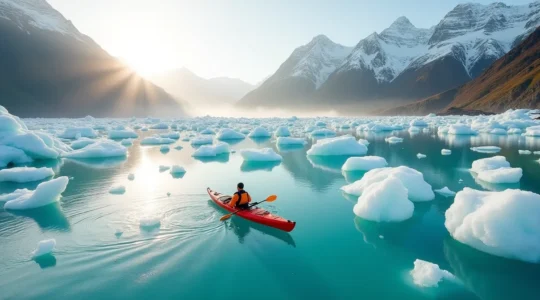
How to Kayak on Glacial Lakes Without Risking Hypothermia?
The primary danger of glacial lake kayaking isn’t slow-onset hypothermia, but the instant, deadly “gasp reflex” of cold water shock. A thick wetsuit is insufficient; only a drysuit provides meaningful survival time against incapacitation. Standard rescue skills, like rolling, often…
Read more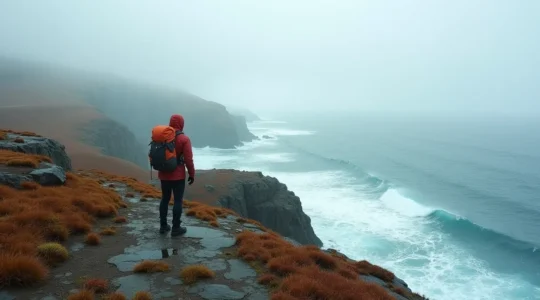
Mastering Newfoundland’s Coast: Why Your Mountain Skills Are Not Enough
Hiking in Newfoundland is not a mountain challenge; it is a maritime survival exercise where moisture, not altitude, is the primary threat. The constant collision of the Labrador Current and Gulf Stream creates a uniquely hostile environment of persistent fog,…
Read more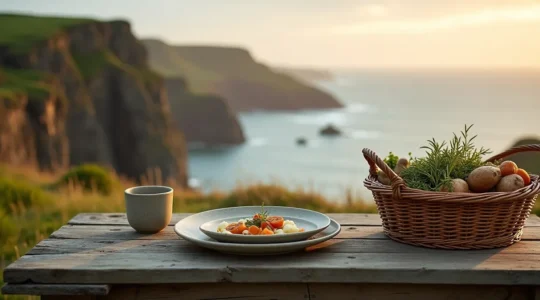
How to Plan an Authentic Culinary Heritage Trip to Ireland from Canada
The key to an unforgettable Irish food journey is swapping tourist clichés for hyper-local experiences, a strategy that requires savvy planning on everything from car rentals to festival choices. Ireland’s true culinary heart lies not in Dublin’s Temple Bar, but…
Read more